Over the years, we’ve been working tirelessly throughout the region to make it easier and safer to bike, walk and use public transit. Here are some of the great things we’ve been able to accomplish since we started in 1985.
2025
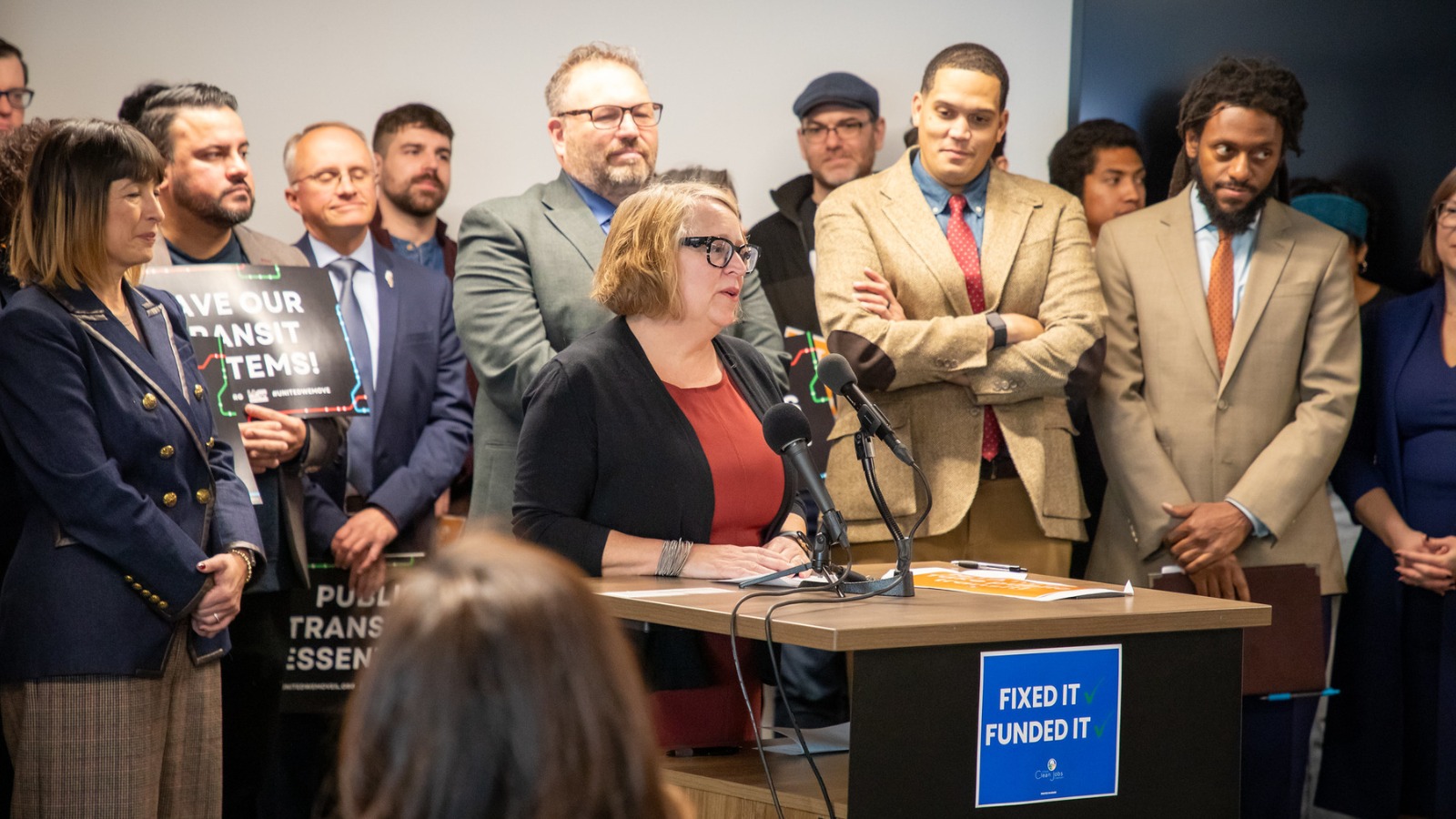
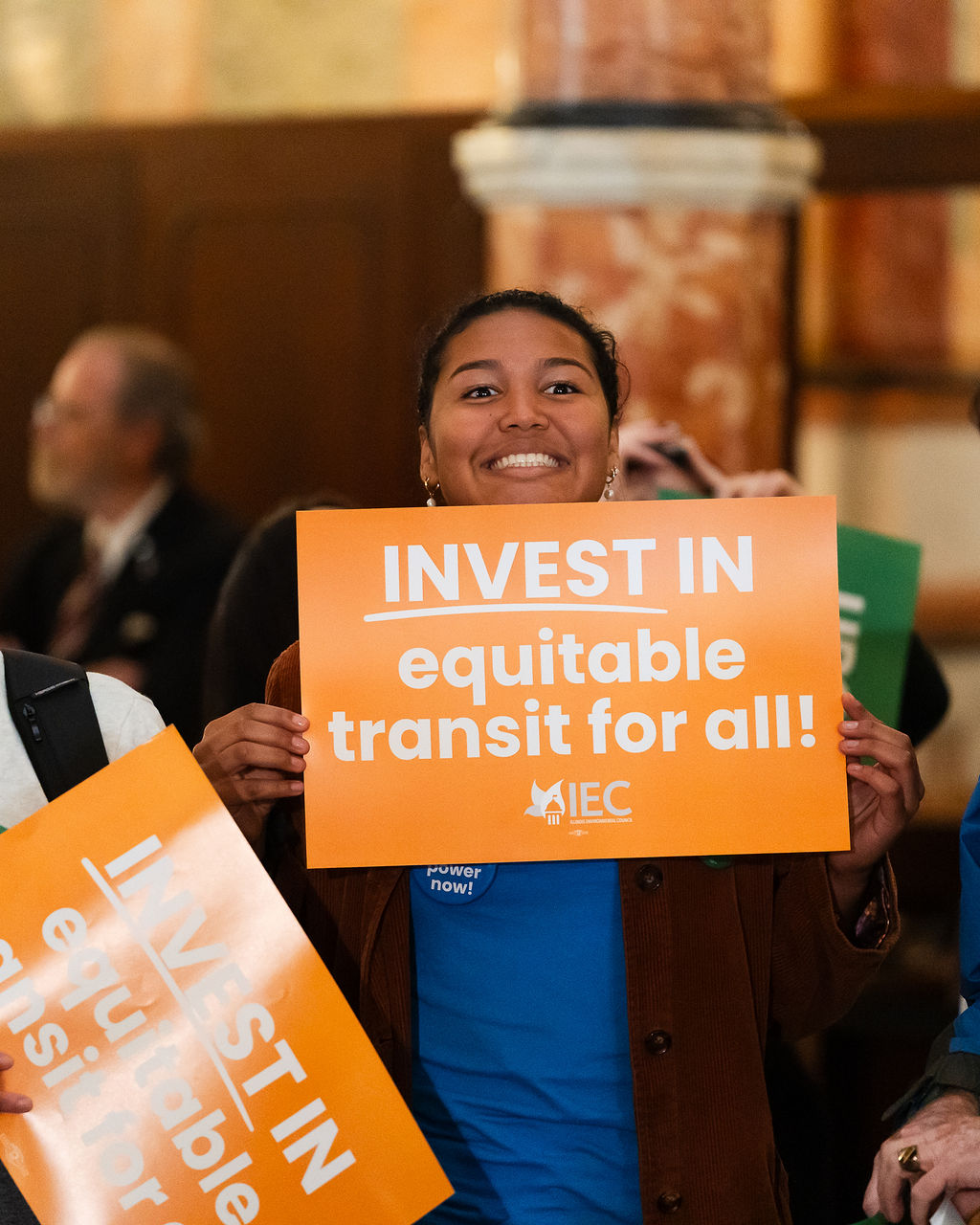
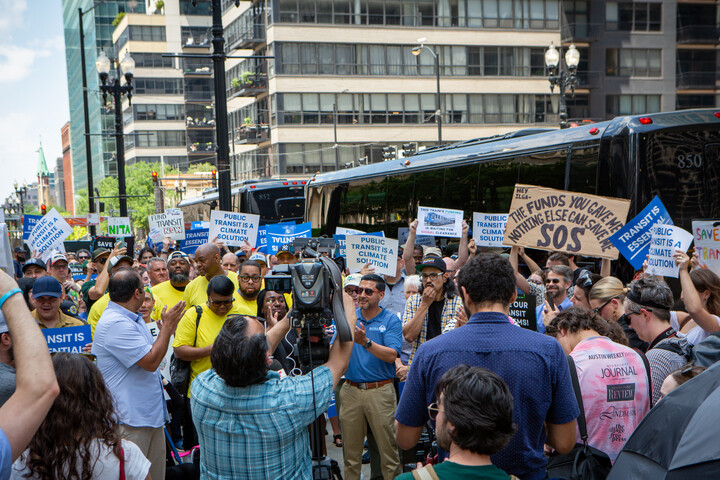
The NITA Act: Active Transportation Alliance led the coalition that was at the center of the effort to pass a comprehensive transit funding and reform package, to the tune of over $1.5 billion annually. In addition to the needed funding, the legislation also won large-scale reforms and improvements to the regional transit system.
The future of sustainable transportation in Chicago: To honor the 40th anniversary of the Active Transportation Alliance, we held an exhibition to showcase ambitious proposals that reimagine how our city moves, featuring groundbreaking concepts from local architects, planners, engineers, and designers.
Safer intersections on state roads: Intersections on IDOT roads no longer must accommodate turning for the largest trucks on the road. Thanks to our multi-year effort, there is more space available at intersections for building meaningful protection for people walking and biking like pedestrian islands and sidewalk bumpouts.
2024
Biking grows in Chicago: Bicycling in Chicago grew 119 percent in the past four years – the largest increase of the ten largest U.S. cities. This increase is closely connected with the new biking and walking infrastructure that has been deployed in Chicago. The new infrastructure was largely made possible by the Chicago Works capital program, which, thanks to our campaigning, included unprecedented local funding for walking and biking infrastructure.
2023
Chicago elections: We made walking, biking, and transit key issues in the 2023 Chicago municipal election. In partnership with the Transportation Equity Network, we hosted listening sessions with community-based organizations around the city to develop the platform. We distributed a candidate questionnaires and shared the results with supporters.
City transportation priorities: Newly elected Chicago Mayor Brand Johnson’s administration invited us to help develop the administration’s priorities around transportation. Alongside several other partner organizations, we were successful in getting our platform priorities adopted in the final transition report. The priorities included lowering speed limits, investing in dedicated bus lanes, and creating a connected and protected bike network.
Task force to eliminate traffic fatalities: Active Transportation Alliance worked with champions in the Illinois General Assembly to pass a bill that mandates the State of Illinois to create a task force that will draw up a set of policy recommendations to eliminate traffic fatalities in the state.
Fatal crash investigations: Active Transportation Alliance successfully lobbied Chicago City Council to pass an ordinance that requires a detailed investigation after a fatal crash to identify contributing factors.
2022
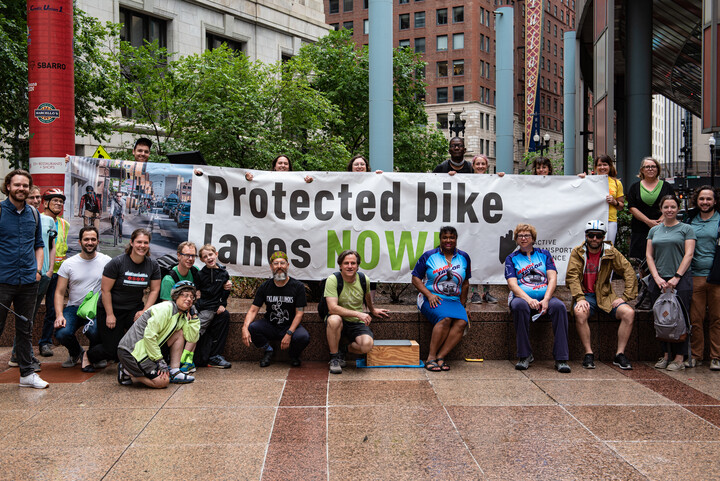
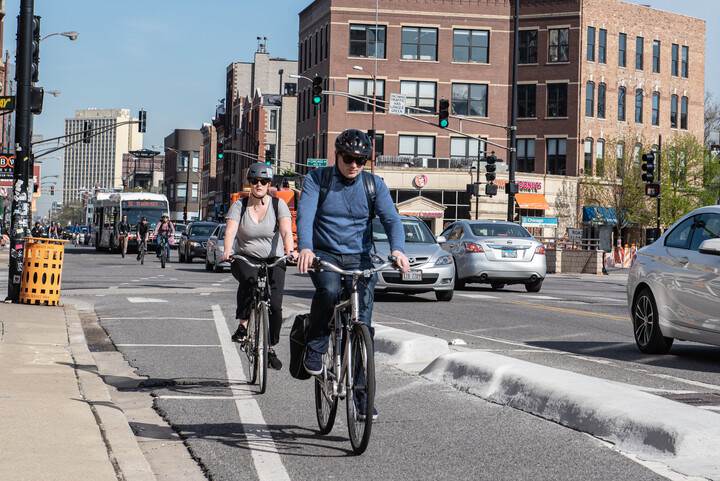
Concrete protected bike lanes: After years of grassroots advocacy efforts calling for more robust barriers for Chicago’s bike lanes, City of Chicago announced plans to use concrete curbs for protected bike lanes and upgrade all existing protected bike lanes with new concrete curbs.
Fight against speeding: When an ordinance was proposed in Chicago City Council to raise the speed camera ticketing threshold near parks and schools, we joined forces with other safety advocates and successfully defeated the proposal.
Equitable transit-oriented development: Active Transportation Alliance helped gather support for landmark legislation to promote more development near transit within the city’s South and West Side neighborhoods. The legislation will encourage investment in affordable housing and businesses around public transportation.
2021
Using public transportation safely during COVID: During the early days of the pandemic, we worked with the Cook County Department of Public Health to develop a shareable infographic featuring tips on COVID safety practices while using public transportation.
State pays for greater share of walking and biking infrastructure: Active Transportation Alliance championed legislation that mandates for the state to cover 100 percent of the cost of walking and biking infrastructure on state roads, just like it does for cars and trucks. Prior to the passage of this bill, the state would cover 100 percent of the cost of infrastructure for cars and trucks, but would require the local community to cover 20 percent of the cost for walking and biking infrastructure.
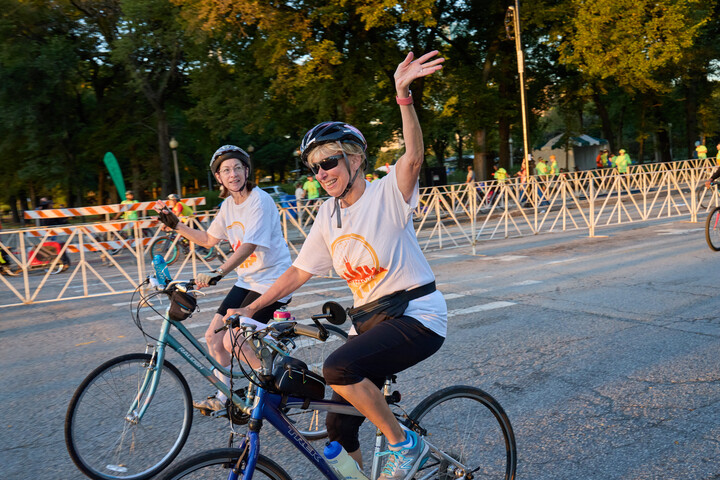
Bike the Drive anniversary: Active Transportation Alliance marks 20 years of hosting one of the best bike rides in the nation.
2020
Bike shops stay open: Active Transportation Alliance led a statewide effort to keep Illinois bike shops open as essential businesses during the stay at home order.
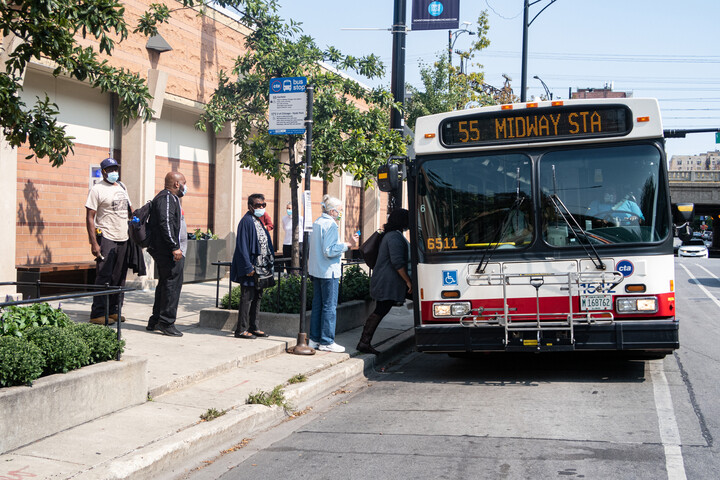
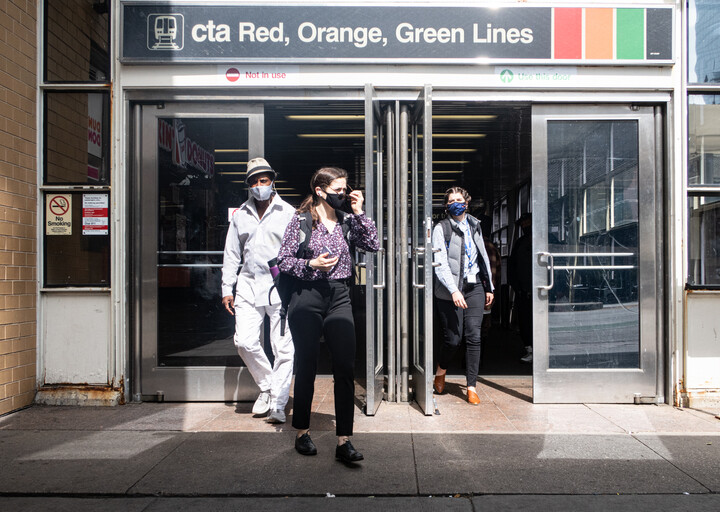
Federal support for transit: Active Transportation Alliance worked with riders, operators, and advocates across the region and across the country to organize support for transit as ridership losses triggered an existential crises for transit. Congress came through with an initial relief package in March and another in December.
Saying “no” to transit shutdowns: For the first time ever, Chicago leaders shut down the transit system during protests and periods of civil unrest. Active Transportation Alliance led a campaign against the shutdowns and highlighted how they’re affecting vulnerable residents.
A better Metra Electric: After South Side and South Suburban residents fought for years to upgrade the Metra Electric line, Cook County agreed to fund a pilot project for improved service and half-price fares for all riders. Active Transportation Alliance worked with community leaders to fight for these improvements as part of the Coalition for a Modern Metra Electric.
2021
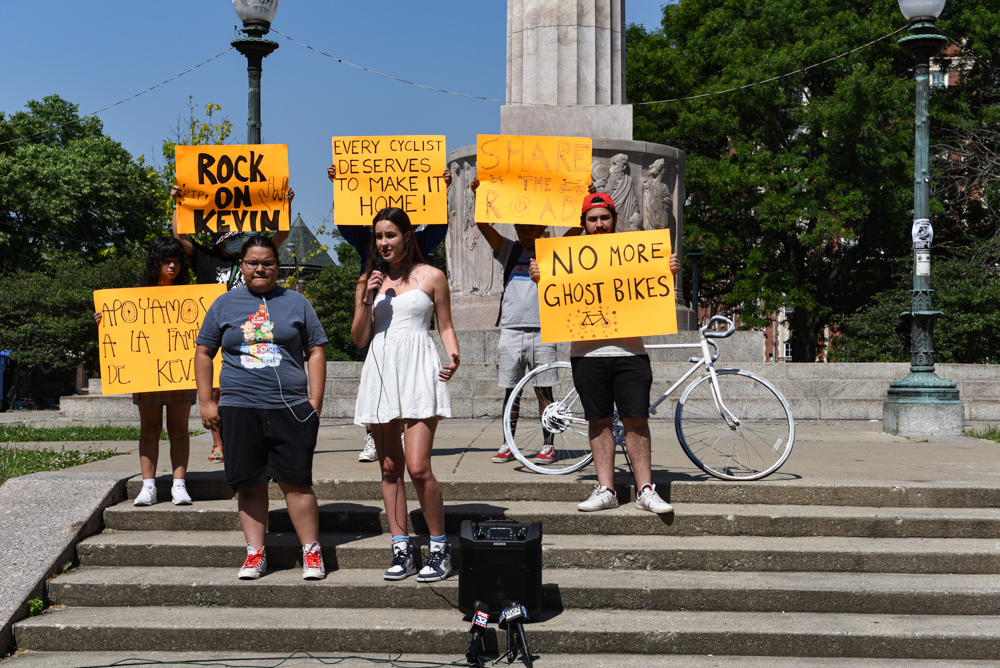
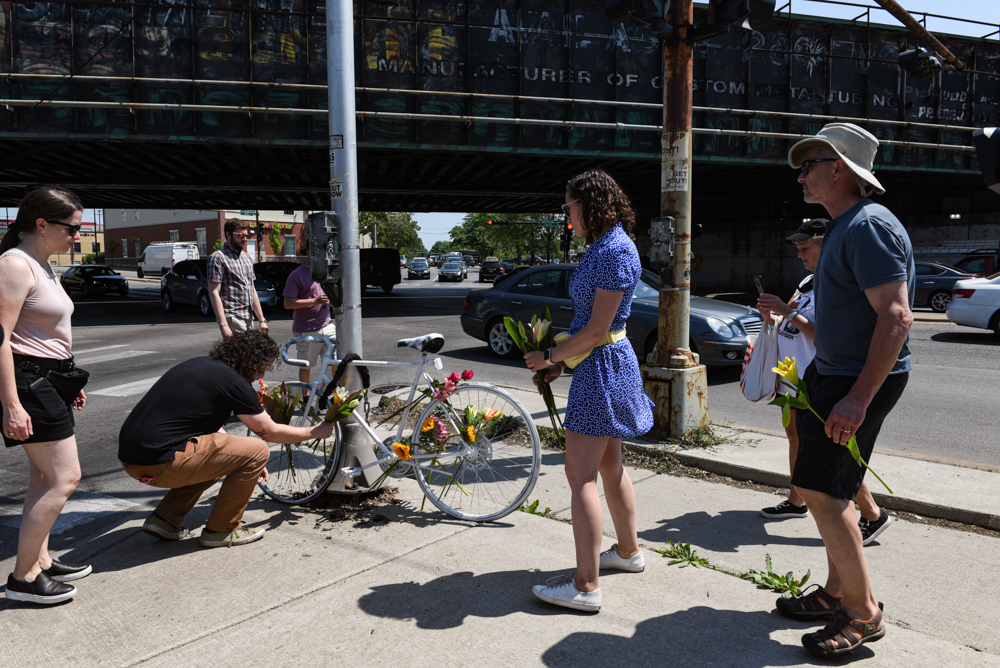
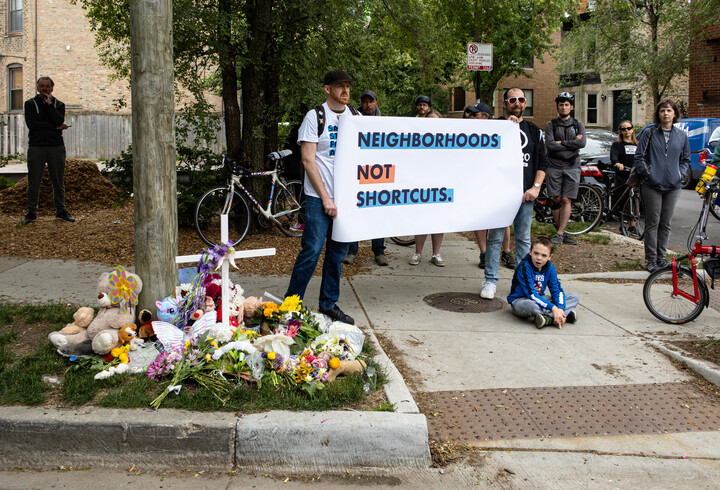
Kevin Clark’s death spurs action: Actor and musician Kevin Clark was killed by a driver while biking at a Logan Square intersection that had long been recognized as treacherous for people walking and biking. Two years prior, Active Transportation Alliance developed a report outlining a series of community-informed recommendations for making the intersection safer. Sadly, the city did nothing to change the intersection at that time. In response to Clark’s death, we successfully worked with his family and local elected officials to demand the city to make the intersection safer for people walking and biking.
2019
New ride hailing fees go to transit: Active Transportation Alliance successfully lobbied for new fees on Uber and Lyft, with a portion of the revenue going to expand the city’s Bus Priority Zones program.
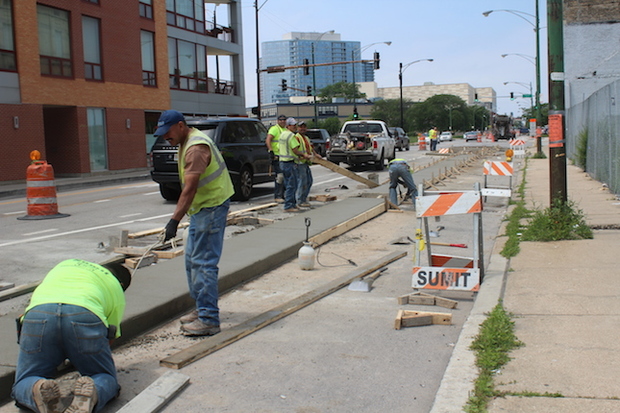
$50 million annually for infrastructure: Active Transportation Alliance worked with a bipartisan group of state legislators so that Illinois’ long-term capital program now includes dedicated funding for walking and biking projects. The legislation allocates $50 million annually for walking and bicycling projects.
2018
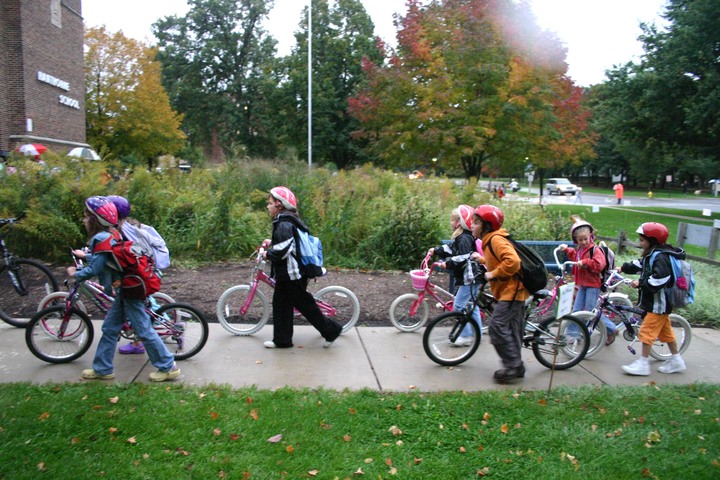
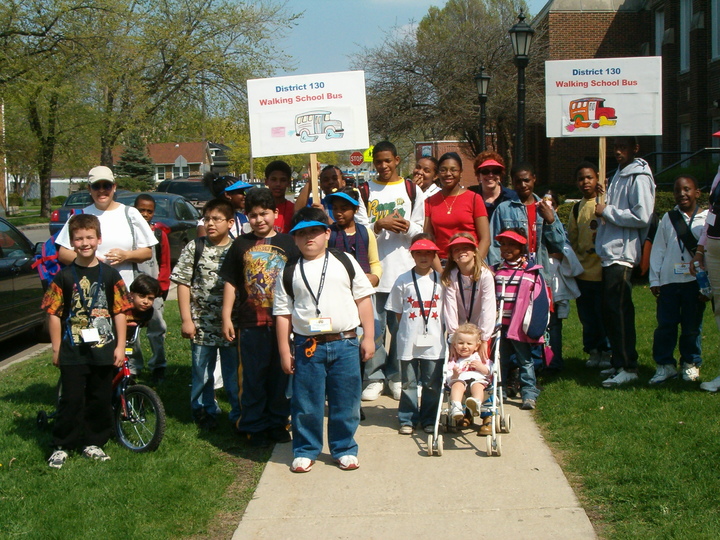
Walking and biking safety for kids: Active Transportation Alliance helped draft and build support for a state bill that requires school boards statewide to adopt policies for educating K-8 students about biking and walking safety. After passing both houses of the General Assembly, it was signed into law by Governor Rauner in August 2018.
Better Rules of the Road: Active Transportation Alliance spearheaded legislation that amends the Illinois Vehicle Code to add information – including the Dutch Reach – about bike safety to the state’s Rules of the Road manual and driver’s license exam.
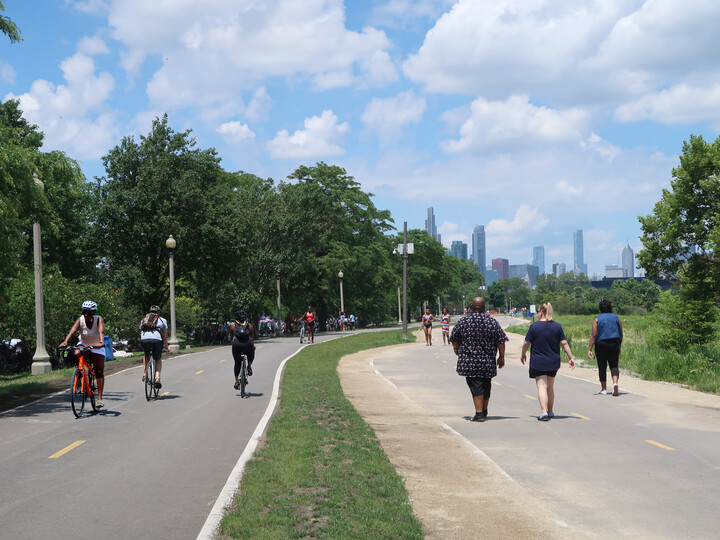
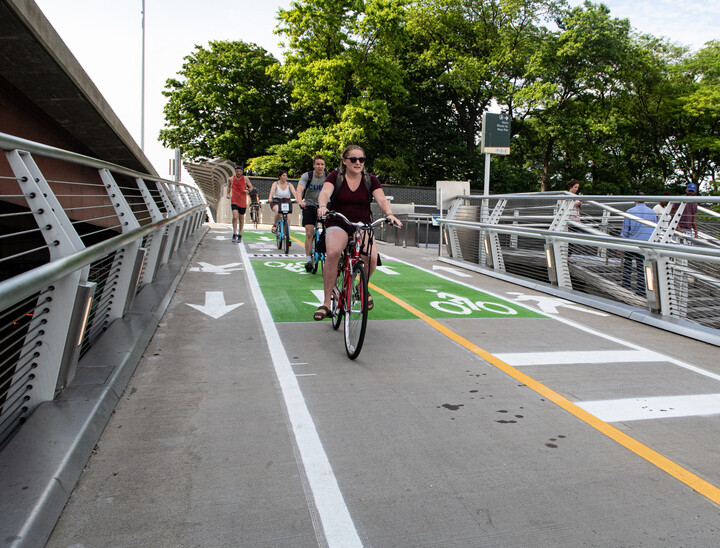
Lakefront Trail separation: After decades of advocacy by Active Transportation Alliance and our community partners, the project to create separate foot and biking paths along the Lakefront Trail was completed. The trail is now safer for everyone, provides more space for people walking and biking, and cuts down on the congestion so common on the trail.
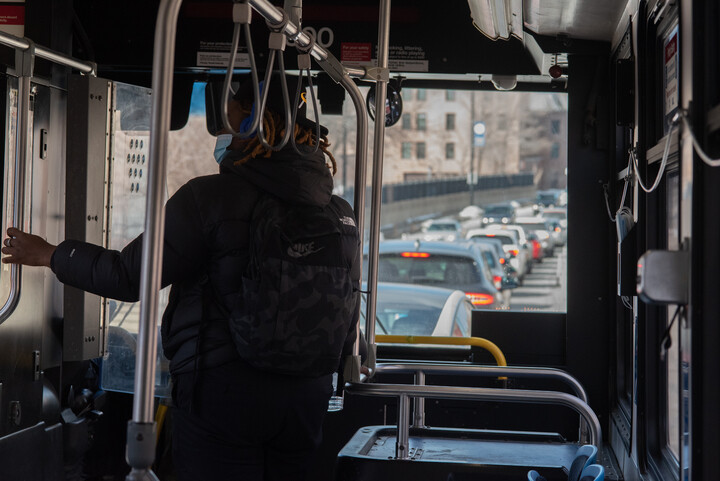
Bus analysis: In the first-ever extensive evaluation of Chicago bus service, Active Transportation Alliance found bus speed and reliability on the decline because buses routinely get stuck in traffic. The analysis rated bus service in all 50 Chicago wards and eight of the city’s high-ridership routes.
2017
Sideguards on city trucks: In a move that Active Transportation Alliance campaigned for, Chicago City Council passed an ordinance requiring trucks owned by the city and those contracted by the city to install sideguards and safety mirrors to better protect people biking and walking.
Milwaukee bike lanes: Active Transportation Alliance mobilized hundreds of advocates to successfully push for bike lanes added to Milwaukee Avenue in Wicker Park.
2016
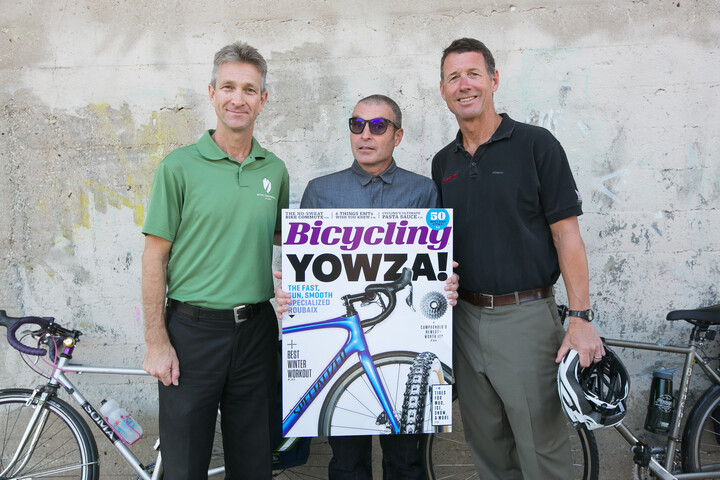
First place for biking: Chicago took first place among best US cities for bicycling, moving up from #2 since Bicycling magazine’s last national ranking.
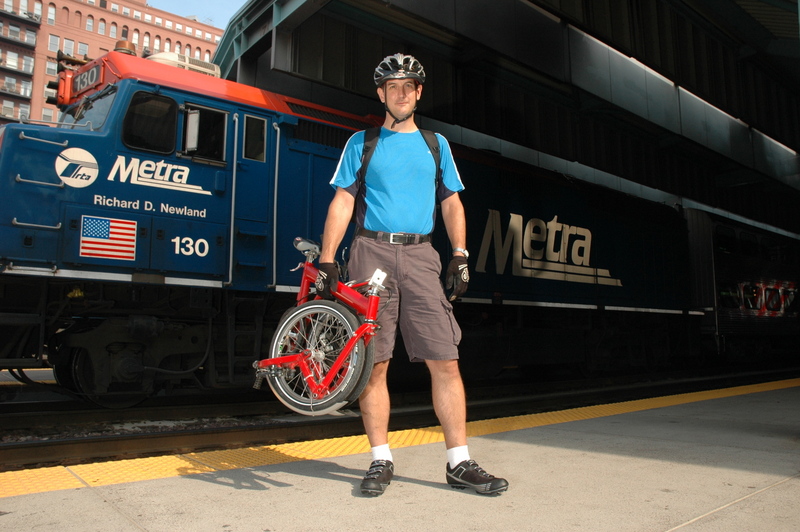
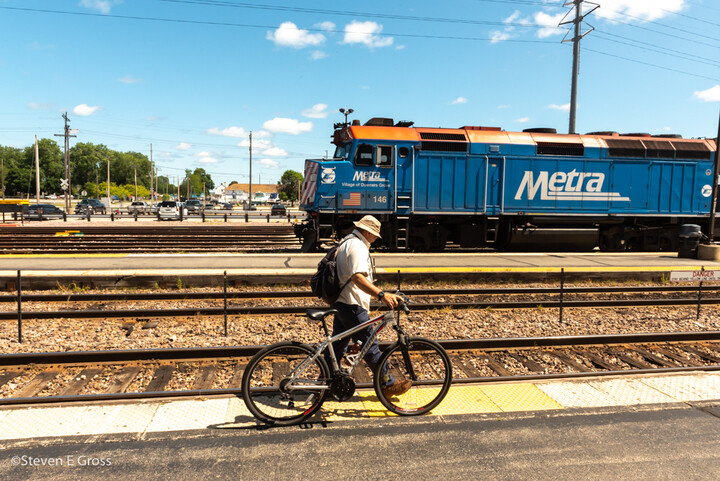
Bikes on Metra: Thanks to the multi-year efforts of Active Transportation Alliance and other local advocacy organizations, the South Shore commuter line is no longer the only remaining commuter train in Chicagoland that doesn’t t allow passengers to bring bikes on board.
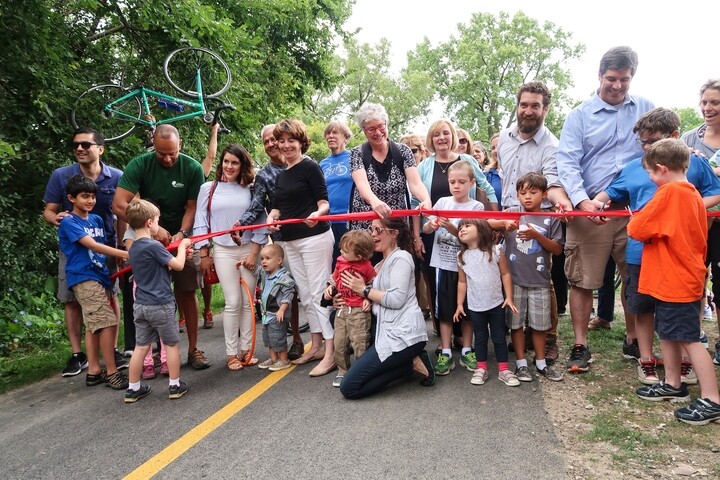
North Branch Trail extended: Thanks in part to Active Transportation Alliance’s efforts, the North Branch Trail, the busiest trail in the Cook County Forest Preserve system, was extended from 18 miles to 22 miles, bringing the path all the way south to Gompers Park at Foster Avenue and Pulaski Road.
Battling obstructed bike lanes: As part of our campaign to shine a spotlight on bike lane obstructions, Chicago supporters submitted 500 photos with comments detailing particular bike lane obstructions. The campaign generated multiple stories in local media and prompted the city of Chicago to make the process easier for reporting obstructed bike lanes.
2015
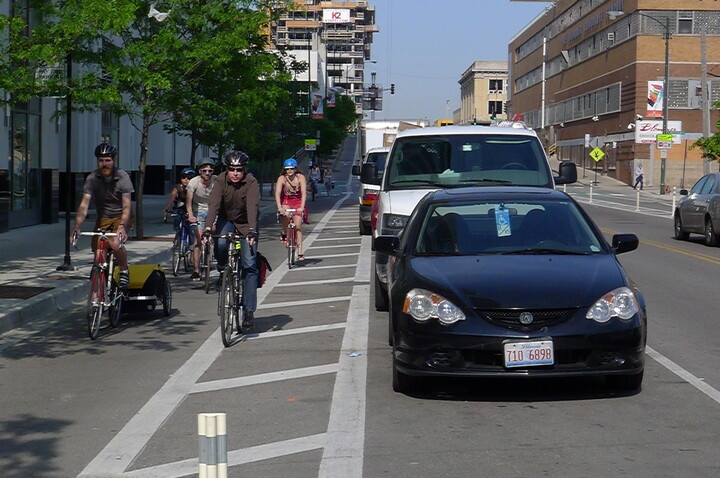
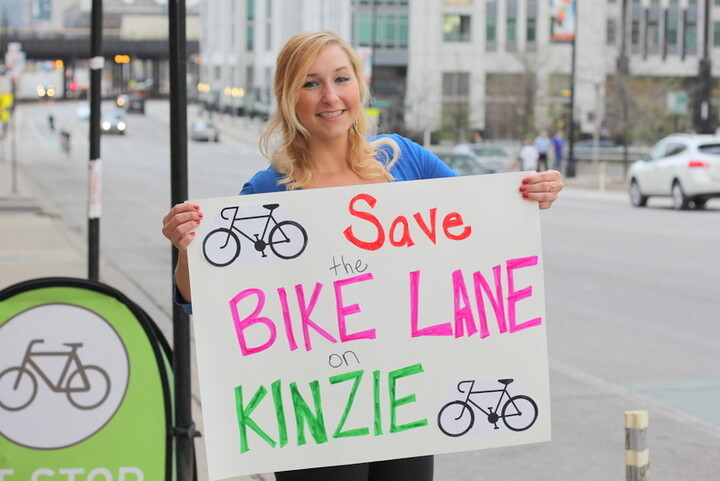
Defending Kinzie bike lane: When a local alderman wanted to remove Chicago’s first protected bike on West Kinzie Street in River North, Active Transportation Alliance successfully mobilized more than 1,400 people in opposition.
Bikes on South Shore Line: Working in tandem with other advocacy groups, Active Transportation Alliance mobilized hundreds of members and supporters to successfully pressure the Northern Indiana Commuter Train District to allow people to bring their bikes on the South Shore Line.
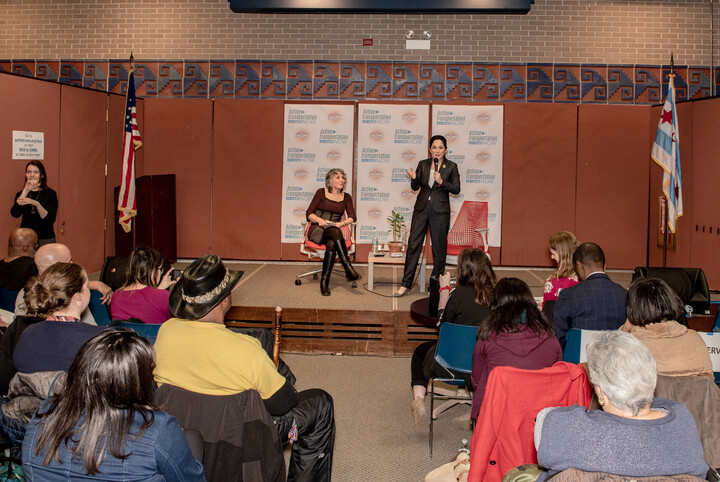
Election platform and voter guide: In advance of the 2014 and 2015 state and municipal elections, Active Transportation Alliance released a state and municipal policy platform outlining our top priorities. We also conducted our first-ever candidate questionnaire with Chicago City Council and mayoral candidates and published all the responses in full as part of our first Municipal Election Voter Guide.
Dangerous intersections: After we launched a regional campaign to improve the safety of people walking and biking at 20 of the most dangerous intersections in the city and suburbs, we engaged decision makers and residents around all 20 intersections, securing commitments from five controlling bodies to go ahead with safety improvements.
2014
Second city for biking: Chicago is ranked as the second most bike friendly city in the nation by the editors of Bicycling magazine.
Legal passing on the right: Active Transportation Alliance advocated for laws passed by both the City of Chicago and the State of Illinois that allow people riding bicycles to confidently pass slow-moving cars on the right side of the road.
Launch of Transit Future: We partnered with the Center for Neighborhood Technology (CNT) to launch the Transit Future campaign to establish a dedicated source of revenue to fund the transit improvements and expansion in Cook County. Cook County Board President Toni Preckwinkle and Mayor Rahm Emanuel spoke in favor of the Transit Future vision at the launch.
2013
Bike map overhaul: Updated, improved and performed a major overhaul of the Chicagoland Bike Map
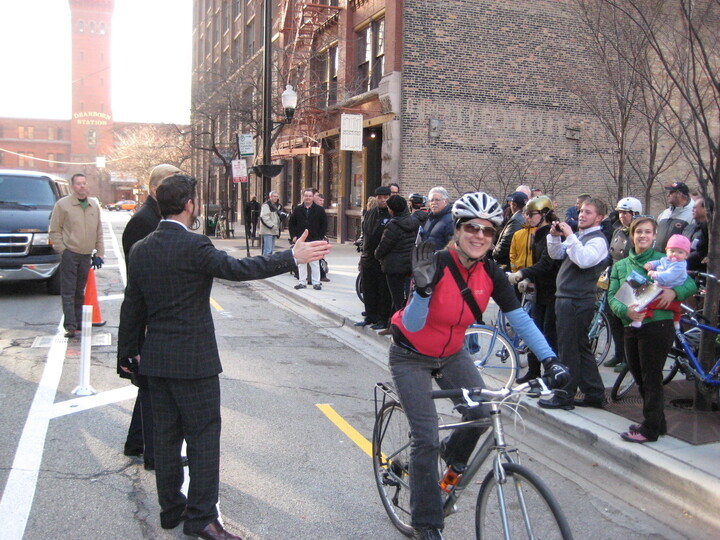
Dearborn bike lane lauded: The new protected bike lane on Dearborn Street is named the best in the nation by People for Bikes.
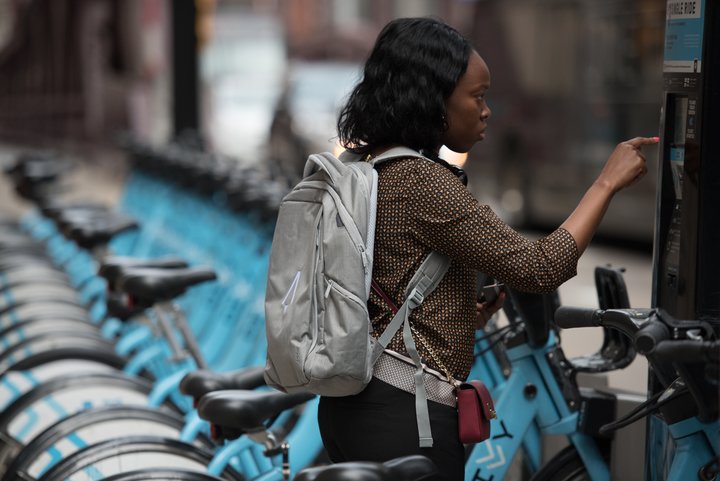
Divvy comes to Chicago: Large-scale bike sharing comes to Chicago, thanks in part to advocacy from Active Transportation Alliance. Divvy starts off with 300 stations hosting 3,000 bicycles.
2012
Keeping track of dooring crashes: Active Transportation Alliance successfully demanded that IDOT track dooring crashes.
BRT on Ashland: 2,500 people signed our petition in support of Bus Rapid Transit (BRT) on Ashland Ave and throughout Chicago. Overall, our transit campaign mobilized more than 5,000 transit riders to push for better and faster transit.
2011
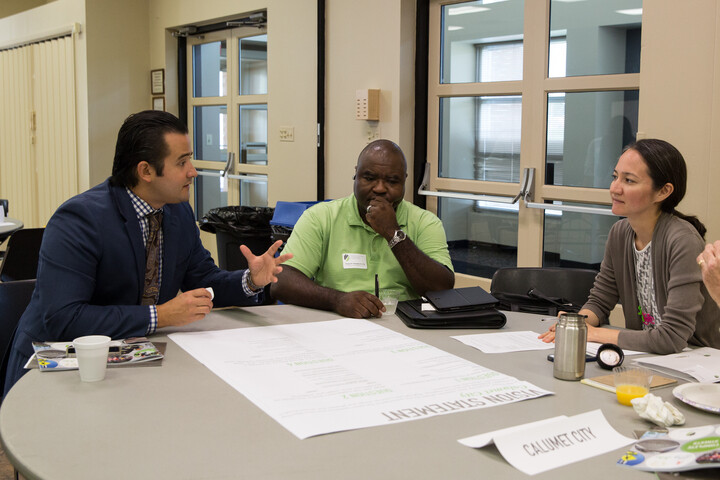
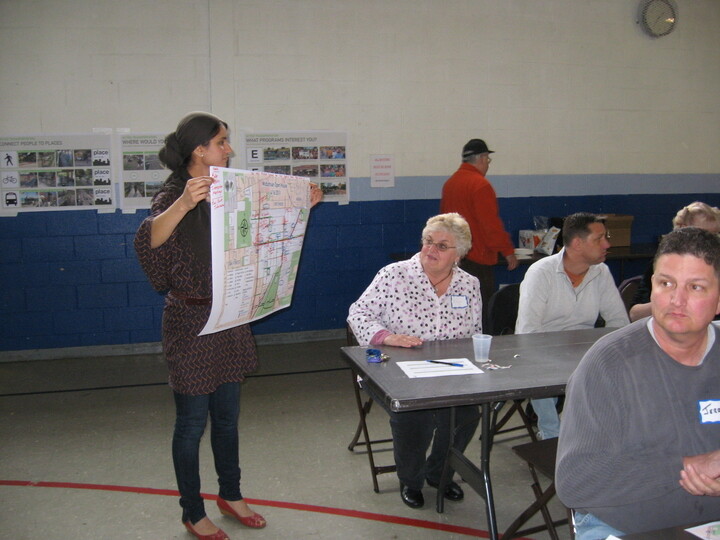
Streets for Cycling 2020: Active Transportation Alliance guides public process for Chicago’s Streets for Cycling 2020 plan, which layed out the vision for expanding bicycling throughout the city in the coming decade.
Planning work grows: Active Transportation Alliance produced or assisted with nearly 30 biking and walking plans in suburban communities or regional corridors.
2010
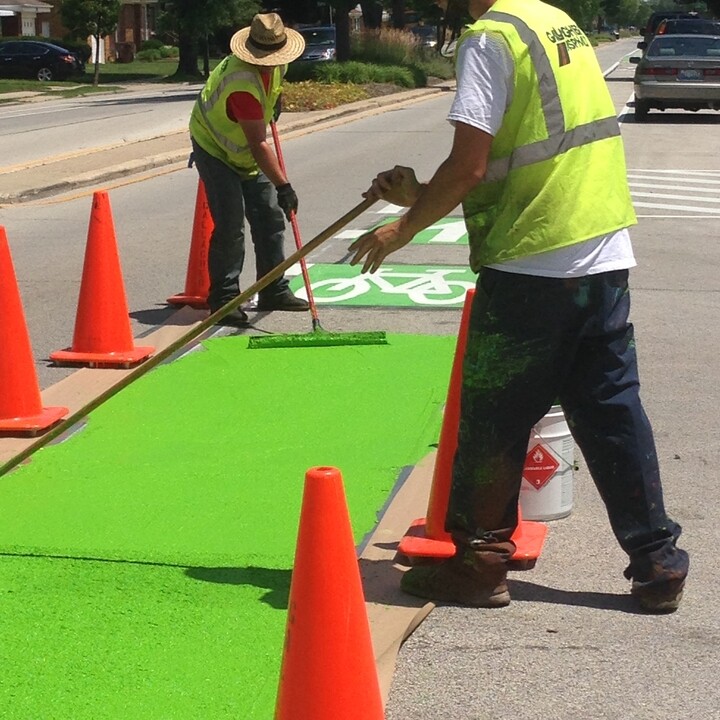
Protected bike lanes: Thanks to pressure from Active Transportation Alliance, Mayor Rahm Emanuel agrees to build 100 miles of protected bike lanes during his first term in office.
Crash support: Launched Crash Support Hotline to help pedestrian and bicycle crash survivors.
Safety for people walking: Passed Must Stop for Pedestrians state law, which requires drivers to stop for people using crosswalks.
2008
Expanded mission: Chicagoland Bicycle Federation officially expands its mission to include pedestrian and transit advocacy. As a result, it changes its name to the Active Transportation Alliance.
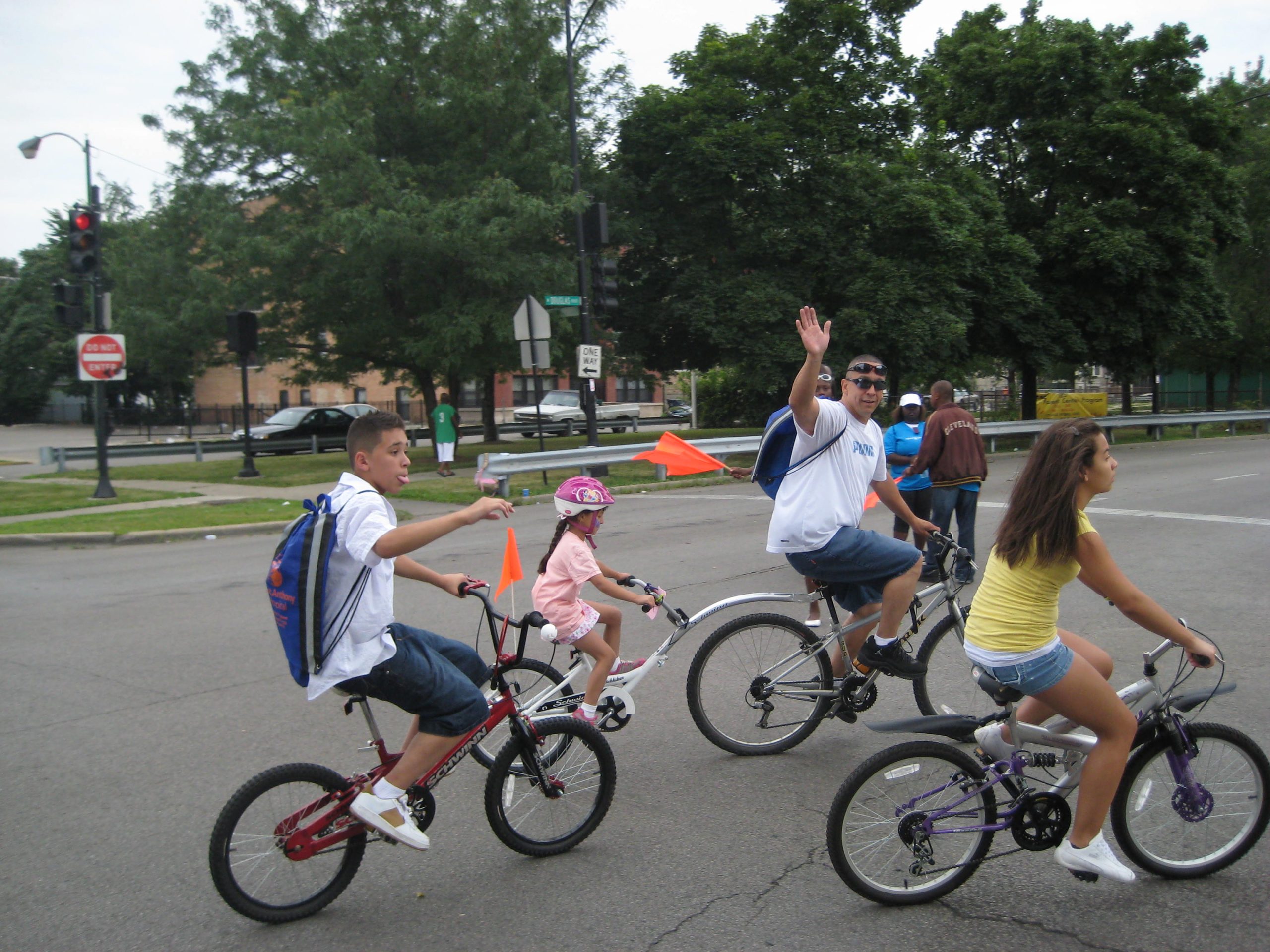
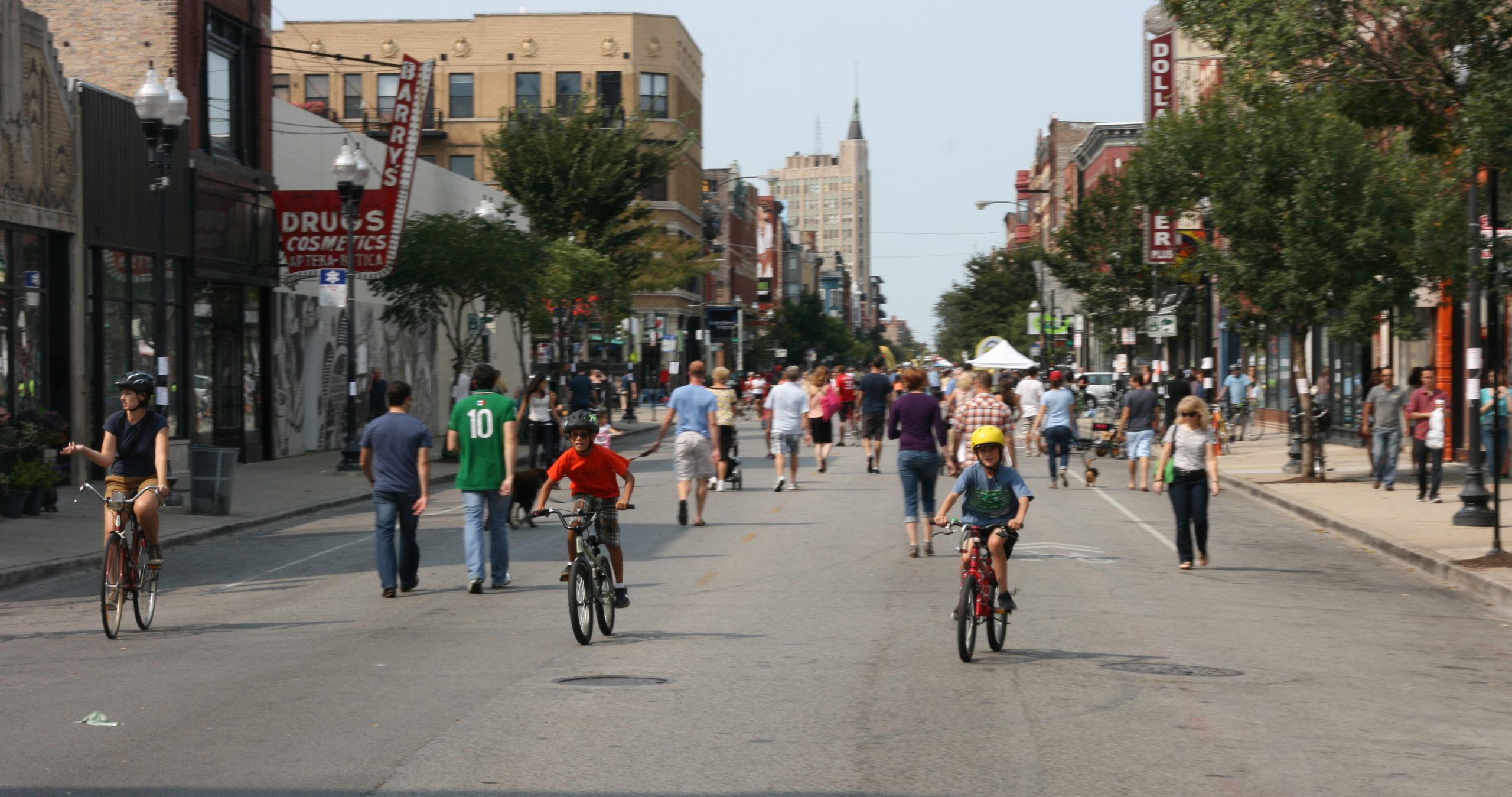
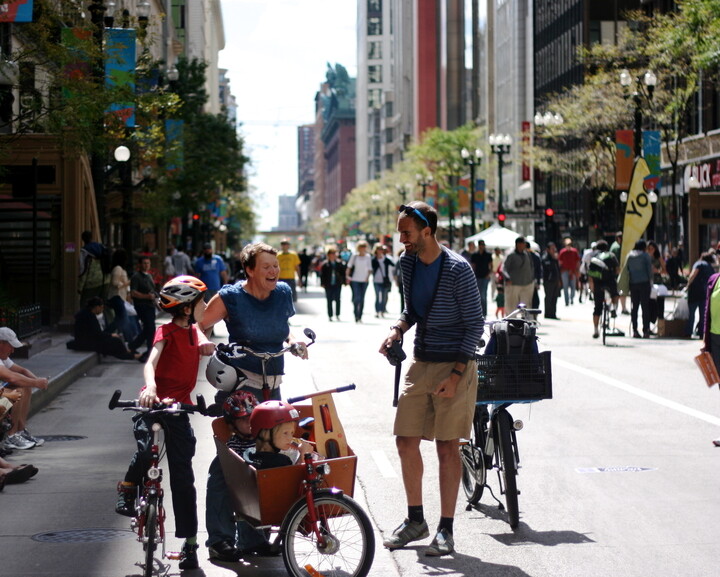
Open streets events begin: The first Open Streets events in Chicago open up historic boulevards to non-motorized traffic. Active Transportation Alliance goes on to organize more Open Streets events in Chicago in 2011, 2012 and 2013.
Safer passing: We partnered with other organizations to pass the 3-foot passing law in Illinois.
2007
Complete Streets: On the heels of a Chicago Ordinance, the Illinois General Assembly passes a Complete Streets law.
2005
Bikes on trains expands: Bikes on Metra graduates from one train per week to daily off-peak accommodations.
Safe Routes: The South Suburbs get a proposal and a sponsor for a Safe Routes to School program. The success of this homegrown program generates enthusiasm for a national Safe Routes to School Program.
Bike friendly cities: The League of American Bicyclists designates Chicago and Schaumburg as Bicycle Friendly Communities.
2004
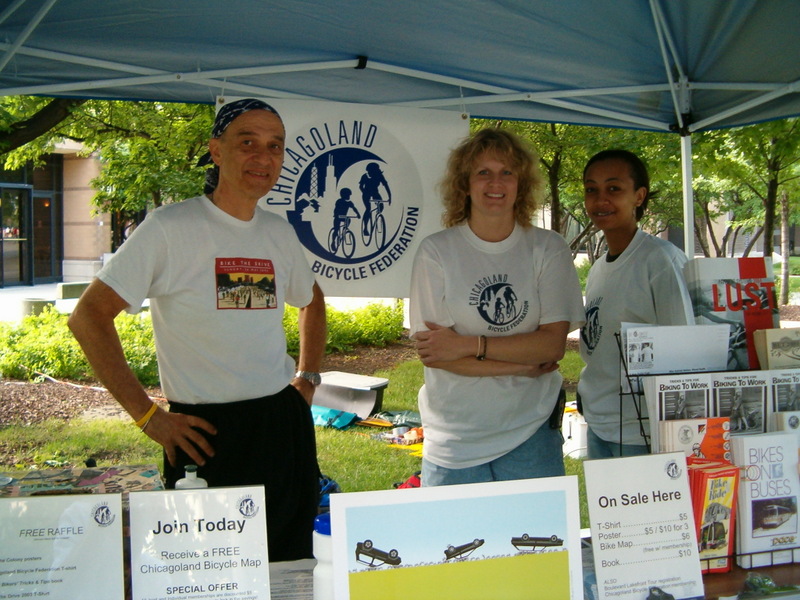
Growing membership: Chicagoland Bicycle Federation member count: 5,112.
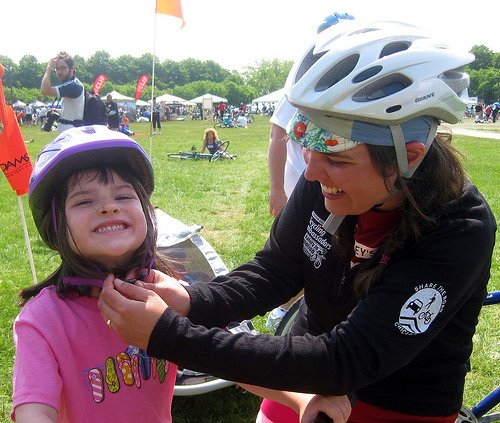
Healthy Streets campaign: The Chicagoland Bicycle Federation’s Healthy Streets Campaign adds pedestrian planning into the mix of its advocacy work. Programs include Drive With Care, Go Healthy, Homezones, Safe Routes to School, and Sunday Parkways.
2003
Suburban bike lanes: Evanston’s bicycle plan is the first instance of bike lanes planned for a suburb.
2001
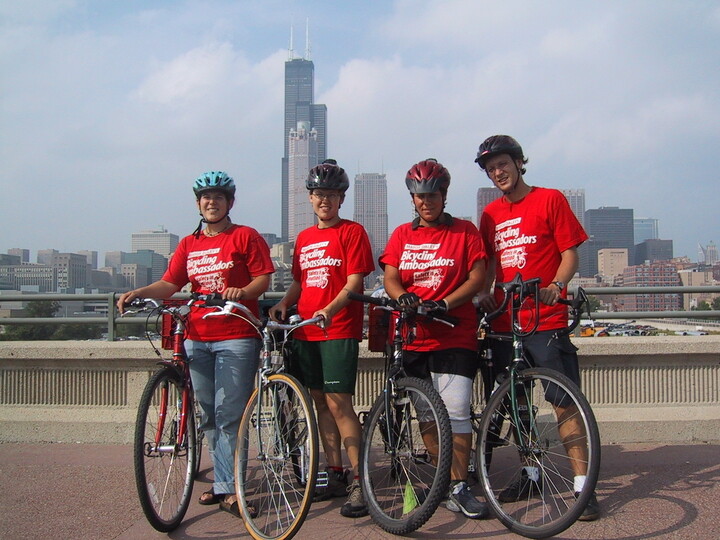
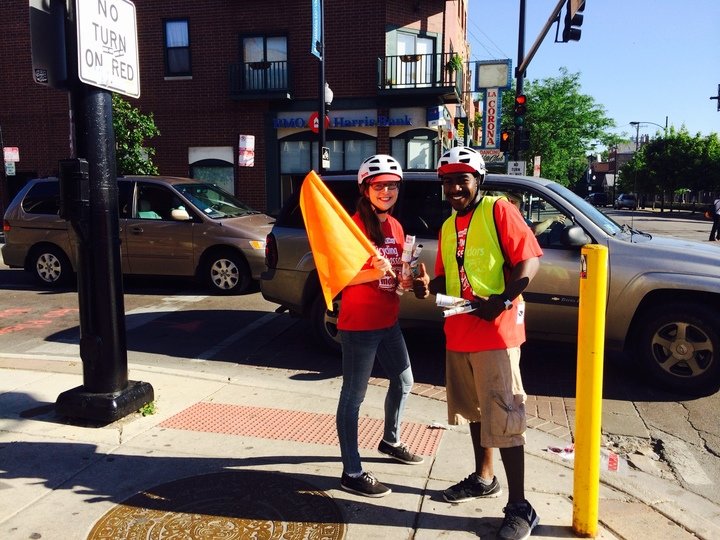
Ambassador program takes off: The City of Chicago’s Department of Transportation takes on the Chicagoland Bicycle Federation’s Bicycle Ambassador program. Mayor Daley’s Bicycling Ambassadors educate thousands of people who drive and bike each year.
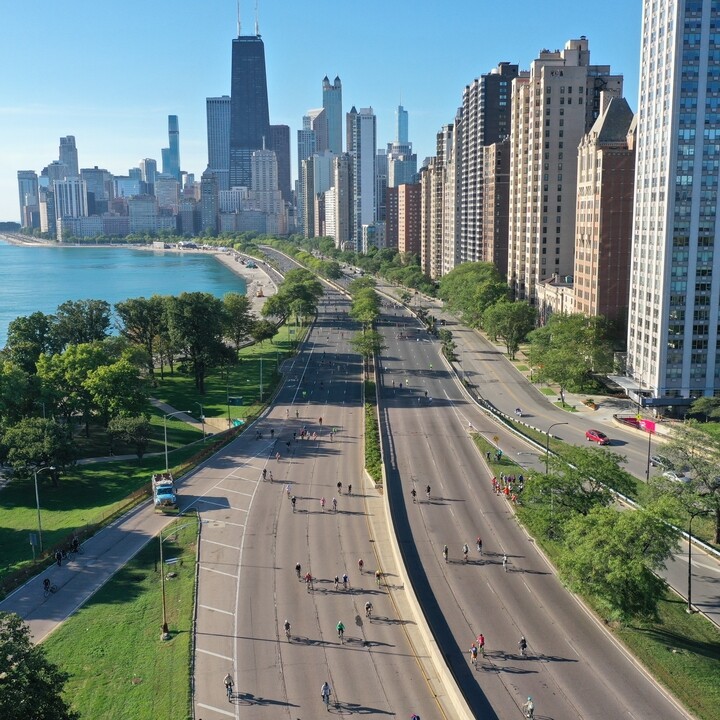
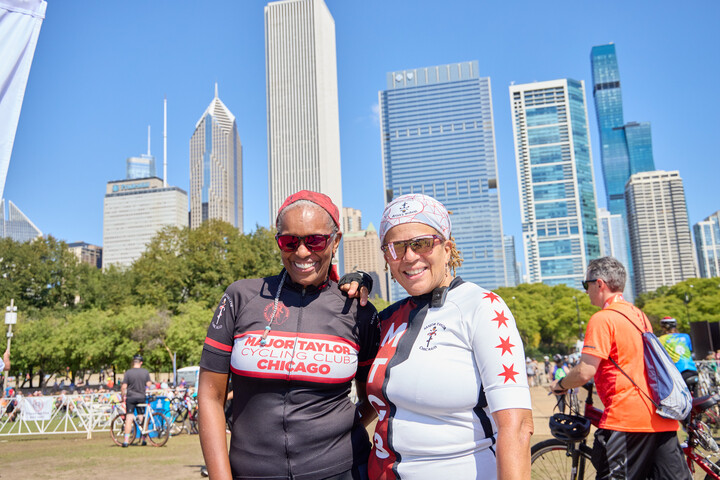
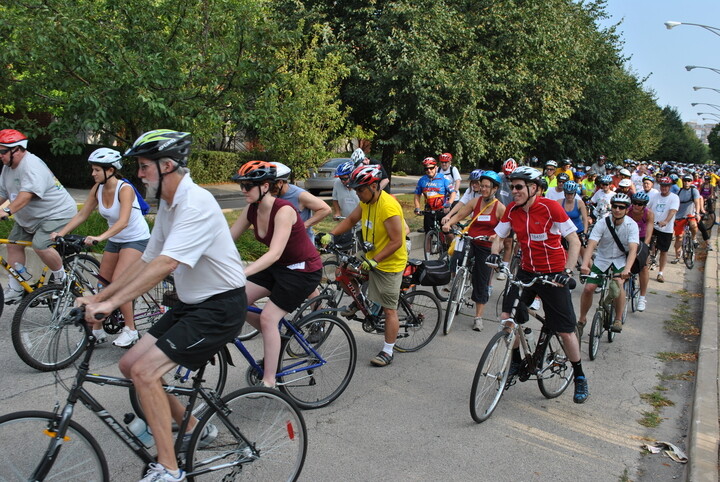
Bike the Drive launches: The first Bike the Drive, organized and produced by the Chicagoland Bicycle Federation, opens up Lake Shore Drive for people biking.
1999
Legal fight: Boub v. Wayne galvanizes the bicycle community to reverse a decision that creates liability concerns for governments wanting to build bicycle facilities. Chicagoland Bicycle Federation membership gets a big bump.
1997
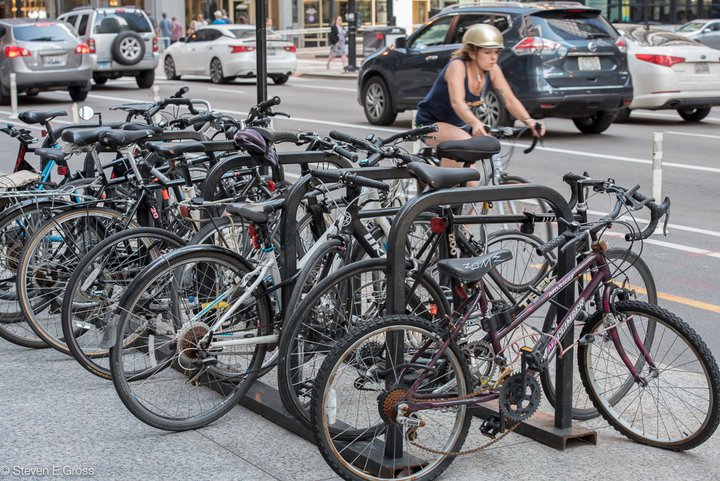
More bike racks: Chicago has installed 4,250 bike racks thanks to more than $1.5 million in Congestion Mitigation and Air Quality funds.
1994
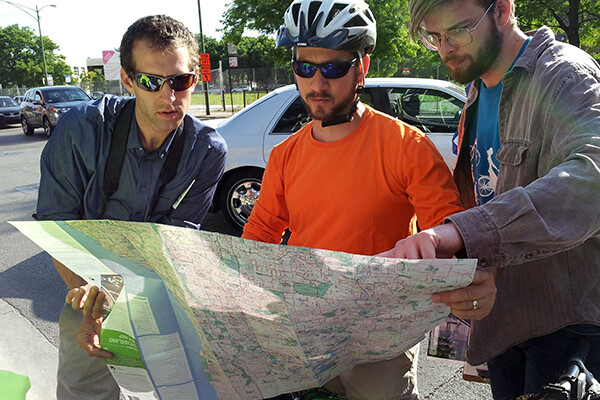
Improved map: The map’s second edition benefits from professional cartography.
Members increase: Chicagoland Bicycle Federation member count: 1,956.
1993
Encouraging bike commuting: Chicagoland Bicycle Federation’s Bicycle Commuter Challenge encourages employees to try cardio-commuting for one week in June.
First bike lane: The City of Chicago installs the first striped bike lane on Wells Street.
1992
Producing bike plans: With an eye toward increasing the number of trips made by bicycle, Chicago Mayor Richard M. Daley unveils the Bike 2000 Plan, which is drafted by the Chicagoland Bicycle Federation and the newly created Mayor’s Bicycle Advisory Council. For the subsequent Bike 2015 Plan, the city turns again to Chicagoland Bicycle Federation and hires it as a consultant.
Bike routes gathered: Chicagoland Bicycle Federation volunteers collect information about best routes in the region and submit it for publication in the Chicagoland Bicycle Map.
1991
Map takes shape: The first edition of Chicago’s Bike Map is produced completely by Chicagoland Bicycle Federation volunteers.
1989
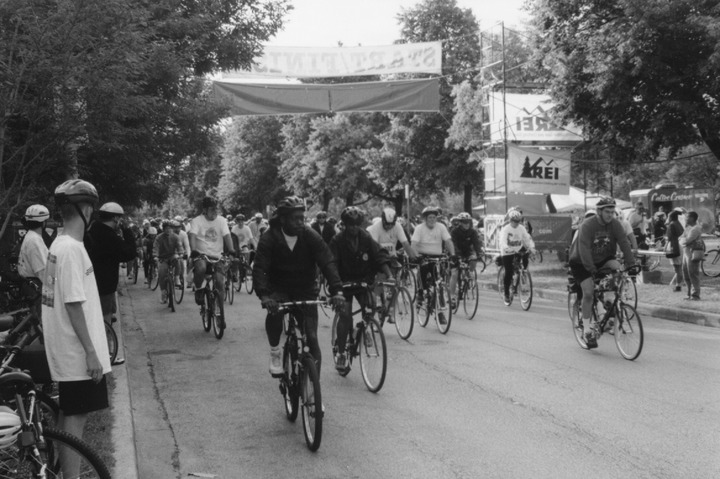
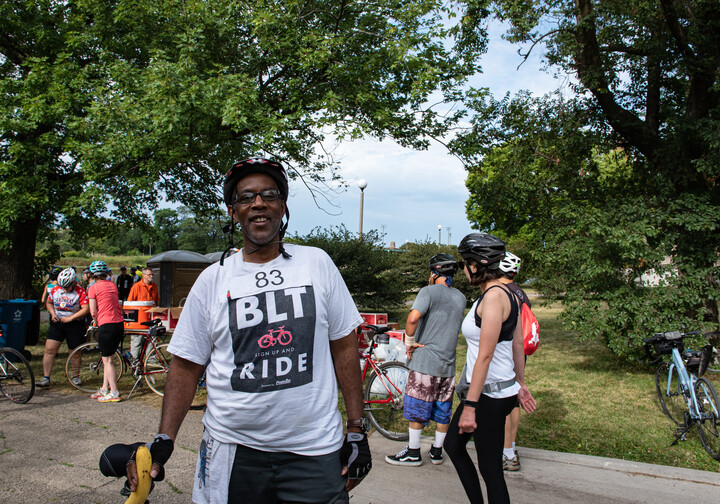
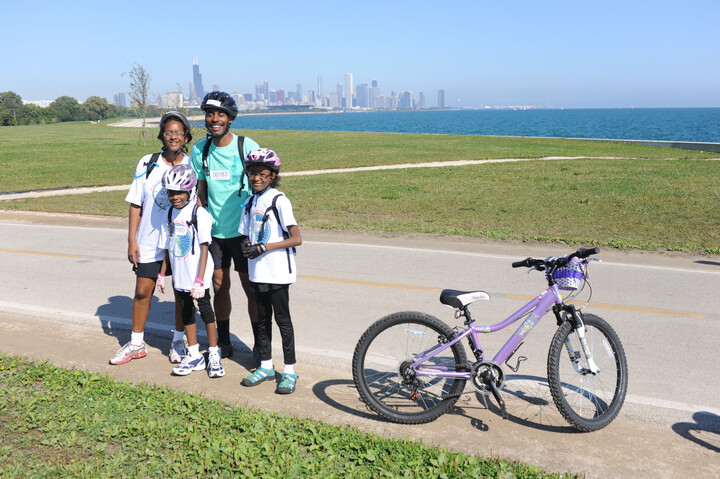
BLT ride: The first Boulevard Lakefront Tour debuts and generates a new stream of revenue for the Chicagoland Bicycle Federation.
1986
Consulting work emerges: Volunteer-written “Safe Bicycling in Chicago” pamphlet attracts the attention of the Chicago Department of Transportation, which results in the first contract with the Chicago Department of Transportation. The Chicagoland Bicycle Federation goes on to win multiple consulting contracts, including projects related to bike parking and pedestrian safety.
1985
Chicagoland Bicycle Federation is born.