
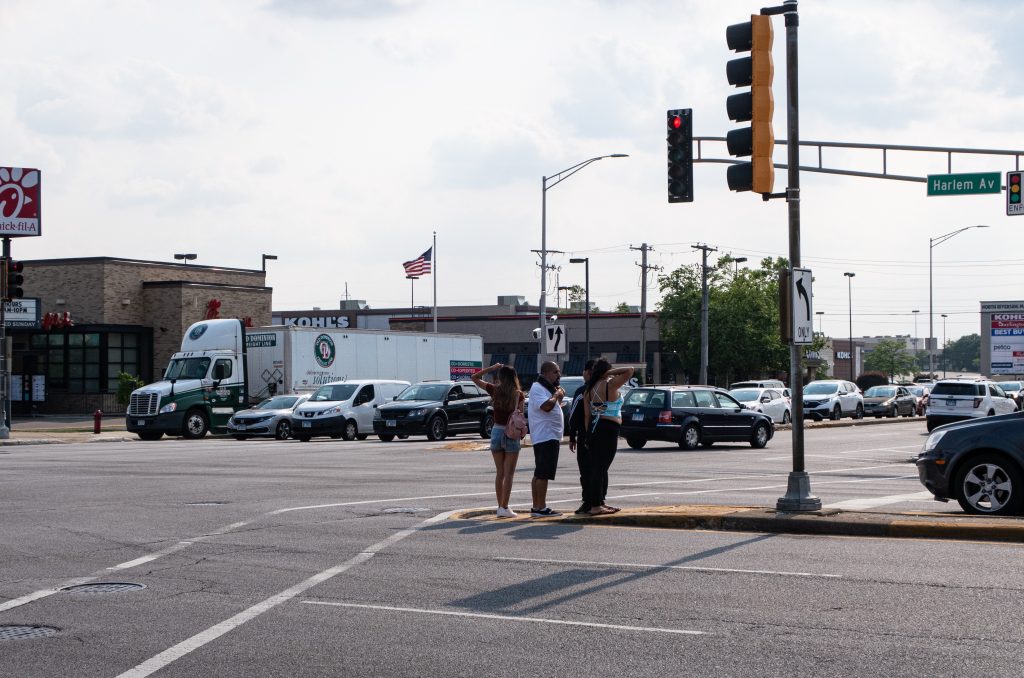
We know what works in making our streets safer, and one of the best tools in the toolbox is setting safer speed limits.
Indeed, lowering the default speed limit is among the most effective, evidence-based strategies to reduce traffic fatalities.
Illinois should be a leader in this area, but we have fallen woefully behind, with a jaw-dropping 1,200 traffic fatalities annually.
WHAT’S HAPPENING NOW
Speed-limit-related bills were recently introduced in the Illinois General Assembly. Unfortunately, the bills fail to institute a safer state-wide speed limit and instead pass the buck to local communities and include features that will likely make our streets less safe.
SB3374 and HB5081 only allow speed limit reductions by way of local jurisdiction-by-jurisdiction action.
If local municipalities only are allowed to impose lower urban district speed limits after passing local ordinances, it will take decades to see lower speed limits in Illinois’ nearly 1,300 municipalities, not to mention other units of local government such as counties and park districts.
Further, provisions in these bills would only apply to the local roads in those urban areas — and not state roads, which are some of our most dangerous.
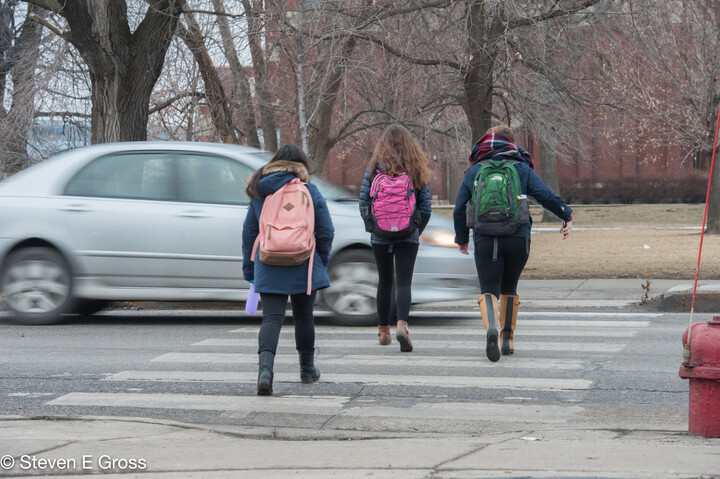
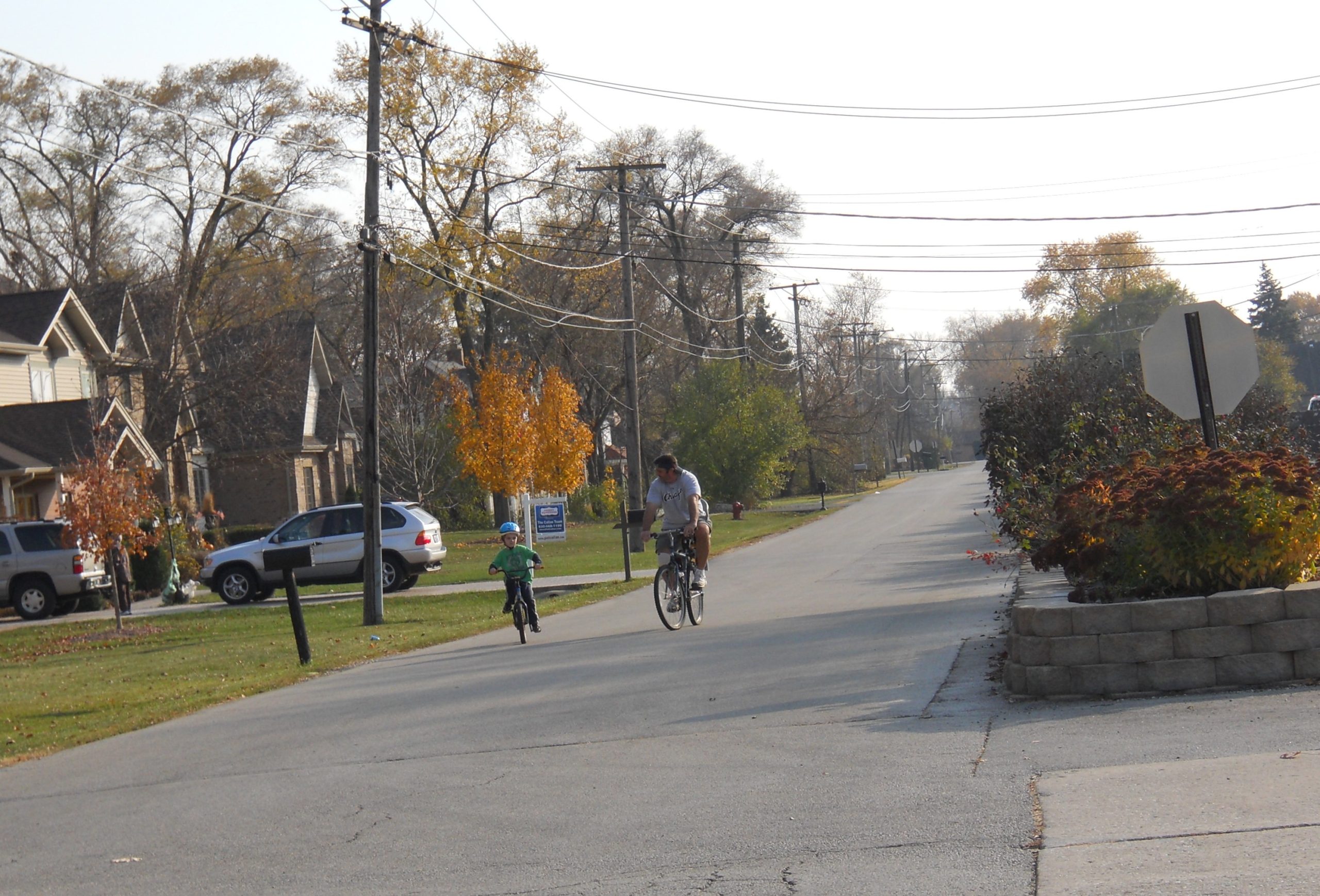
At a recent hearing on SB3374, several senators raised concerns about safety on state-controlled roads in their districts. Their questions highlighted the challenge of implementing comprehensive safety strategies across a patchwork of jurisdictions.
What is clear is that people walking, biking, and driving in urban areas don’t know or care which unit of government controls a given stretch of road. They expect and deserve safe conditions.
We know that safety starts with lower speeds. Lower speed limits should be the baseline, and that the burden of proof should be greater when higher speed limits might be appropriate based on local context.
When municipalities — which typically bear the burden of responding to crashes caused by excessive speed — take action to lower speed limits, that action should apply to every road within their borders. IDOT should play a role in supporting coordination across municipal borders and work to ensure consistency along corridors.
These bills should be strengthened to ensure they actually have an impact on reducing crashes and fatalities — while also improving quality of life in our communities.
EFFECTIVE SPEED LIMIT LEGISLATION FOR ILLINOIS
Here’s how we can use speed limit legislation to make our streets safer statewide.
- Lower speed limit. Lower the statewide default speed limit in urban areas to 20 mph, which is the evidence-based standard.
- Statewide application. Apply these standards uniformly across urban areas, instead of limiting them to local resolutions. This would provide clarity, equity, and efficiency — and send a clear message that safety is a statewide priority.
- All urban streets. The statewide lower urban speed limit should apply to all roads, rather than just locally-controlled roads — especially given that many roads in the state’s “high-injury network” are under IDOT control rather than local jurisdiction.
- Speed studies only for raising the speed limit. A speed study should be required only when raising speed limits above what the law allows, since higher speeds lead to more crashes and injuries. Lowering a previously increased limit shouldn’t require another study, as that rule discourages safer speed reductions.
- Speed cameras for safety. The General Assembly should review Illinois’ automated speed enforcement laws to make them solely focused on safety — and not revenue. Automated speed cameras can greatly reduce crashes, but current laws limit how effectively they can be used.
A PROVEN SAFETY STRATEGY
We’re grateful to Illinois State Sen. Mike Porfirio and Illinois Rep. Matt Hanson for working toward safer streets in Illinois with SB3374/HB5081. But we urge them to include the provisions listed above in these bills.
Across the nation, we’ve seen that lowering the speed limit has direct and indirect impacts on traffic safety, without an increase in enforcement.
In Boston, the Insurance Institute for Highway Safety found that lowering the speed limit reduced the most dangerous speeding — cars traveling over 35 mph — by 29 percent without additional enforcement.
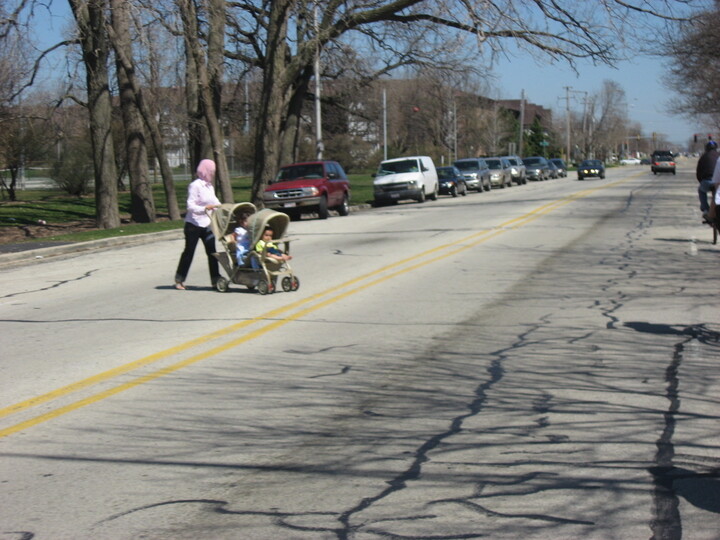
Lowering the speed limit also enables designing streets that encourage drivers to make better choices. Narrower travel lanes, shorter crossing distances for people walking, and tighter turning movements all create a safer environment for people driving, walking, and biking.
Slowing down drivers traveling at dangerous speeds is how we will save lives. Let’s make Illinois a leader in street safety — a state where everyone feels safe walking, biking, or driving in their community.